
A road is a line. A car park is a surface. That sounds obvious, but it is the reason a layout copied from a street-lighting schedule usually disappoints on a parking project: road lighting is optimised for a narrow strip seen by a moving driver, while a car park has to light a wide, empty plane where people walk between stationary vehicles, read door handles, and look for kerbs at walking speed. Get the geometry wrong and no amount of wattage fixes the dark squares between pools of light.
This guide works through a surface car park from the bay layout outwards — mast height, spacing, brightness target, then the battery maths that decides whether the lights still work on the third cloudy night. It is written for contractors, distributors and facility owners preparing a bill of quantities. For the fixture families and project references we group under this application, see our parking lot lighting page; if you already have a site plan, send it to our engineering team and we will return a per-pole schedule with the calculations shown.
Start with the bay layout, not the fixture
Two layouts dominate surface car parks, and the choice between them is made by the site before any product is selected.
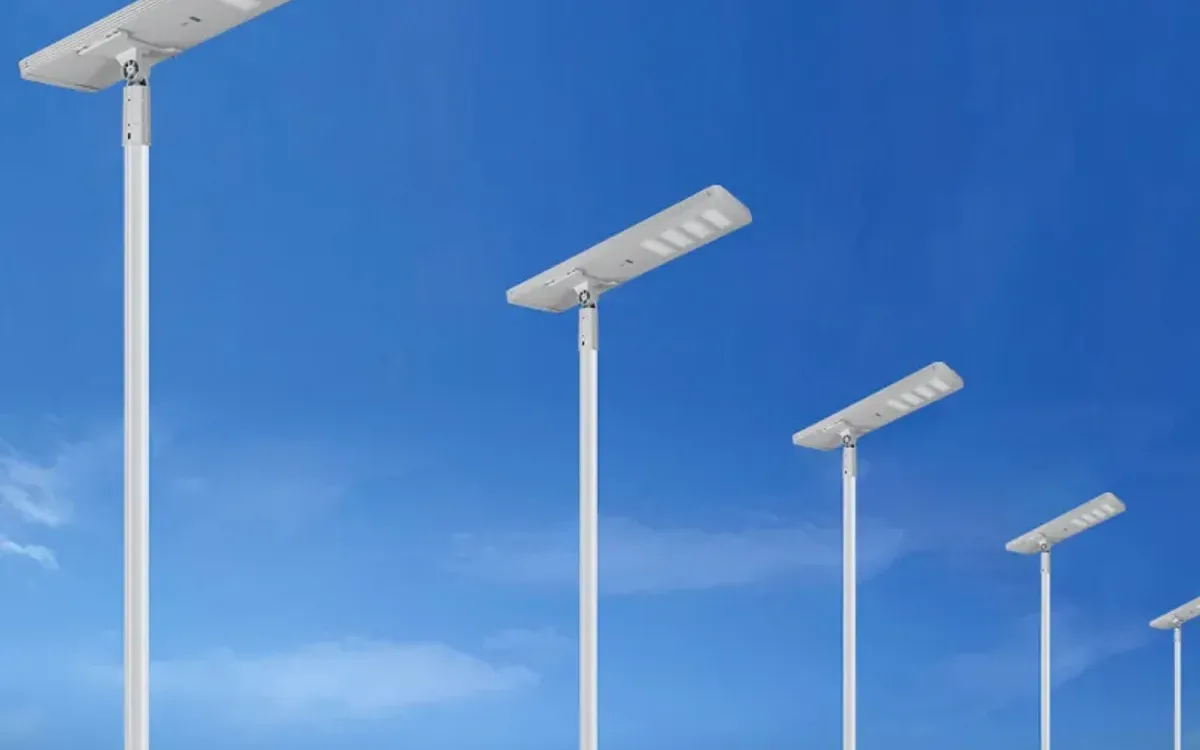
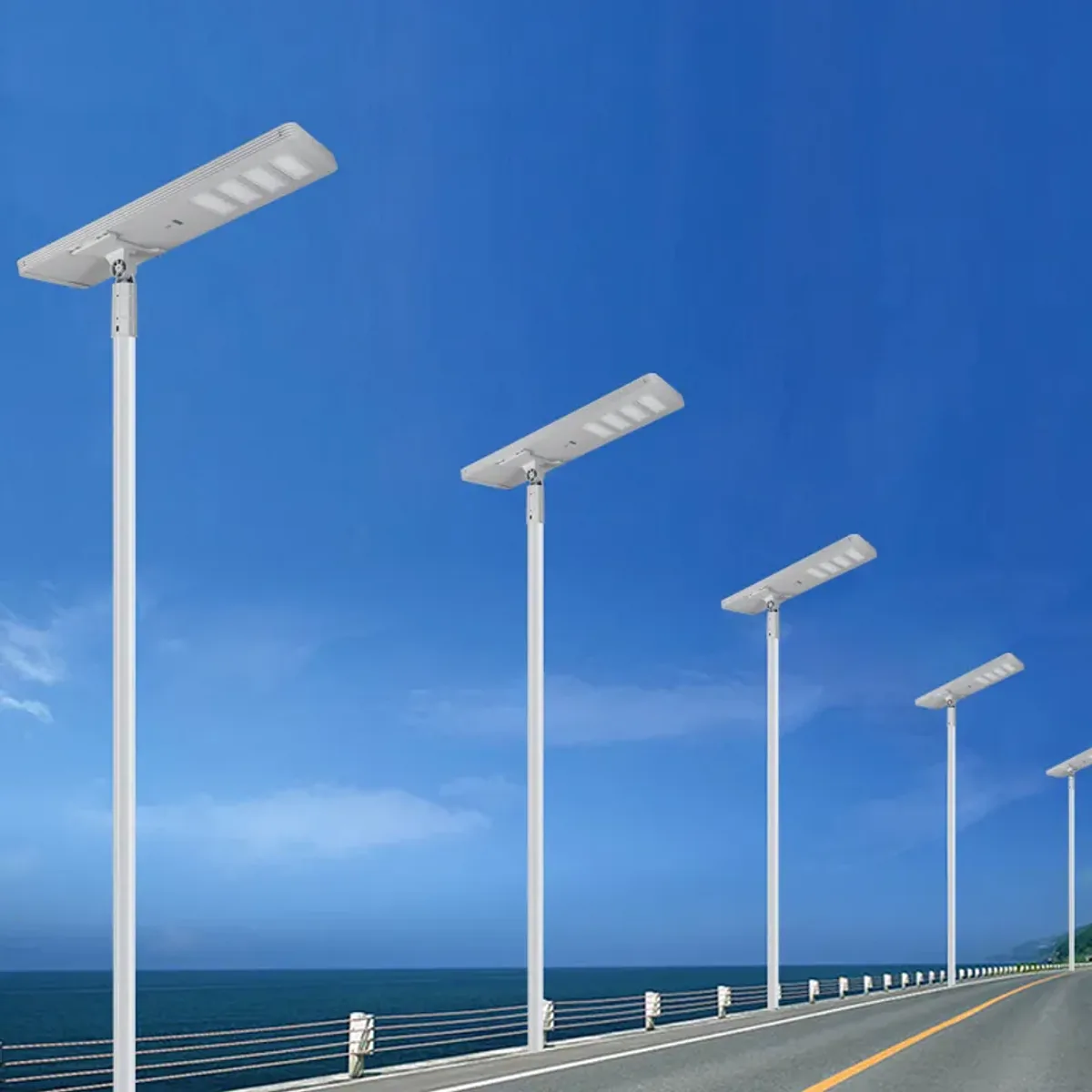
High-mast layout — 10–15 m poles around the perimeter or on islands. One head covers a large area, so the fixture count drops sharply. This suits open retail lots, truck stops and sites where trenching or foundations are expensive. The cost is stricter optics: a head mounted high and aimed badly throws light into windscreens and neighbouring windows, and a single failed mast leaves a visibly large dark patch.
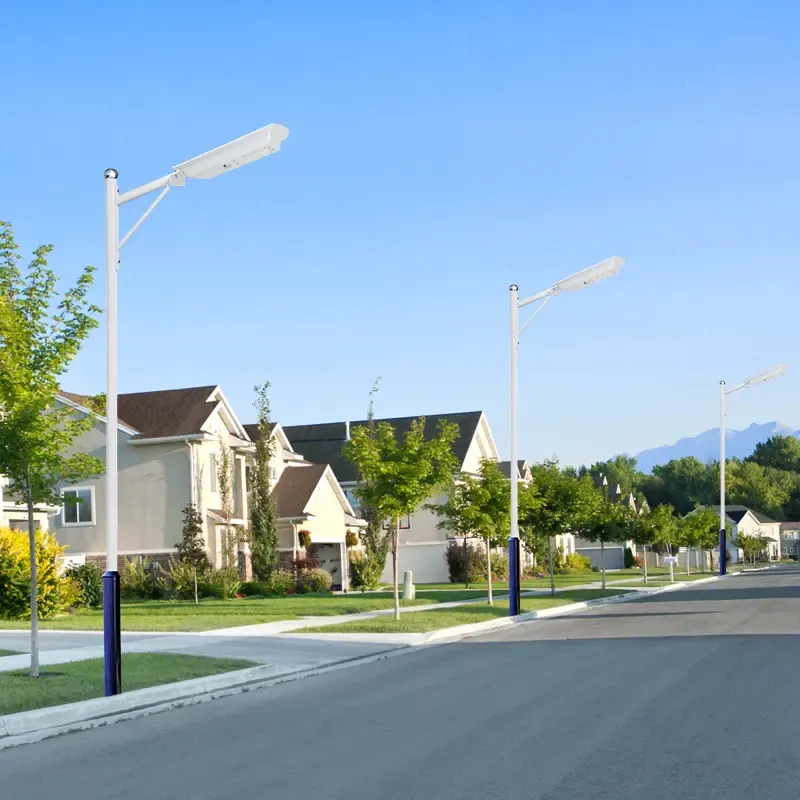
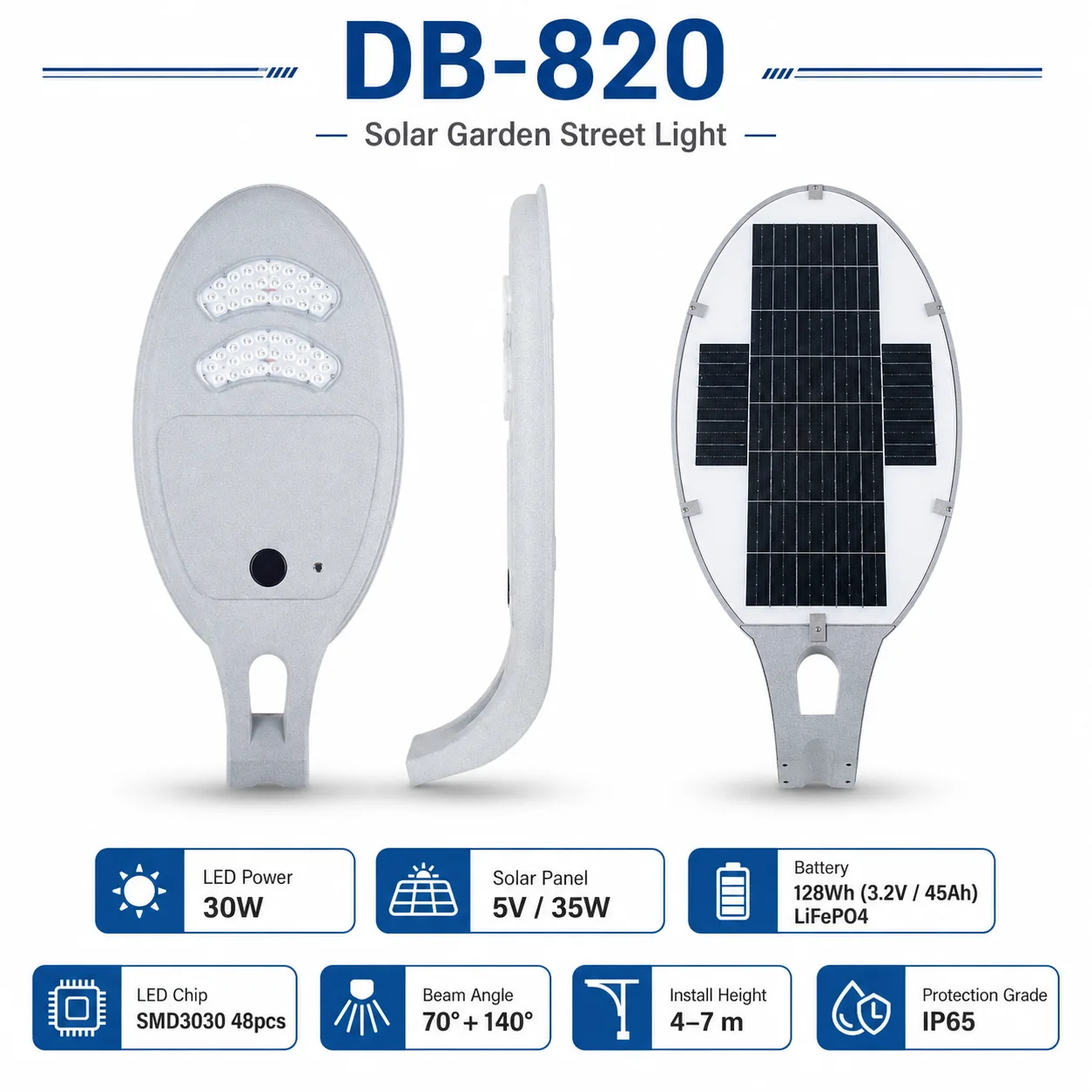
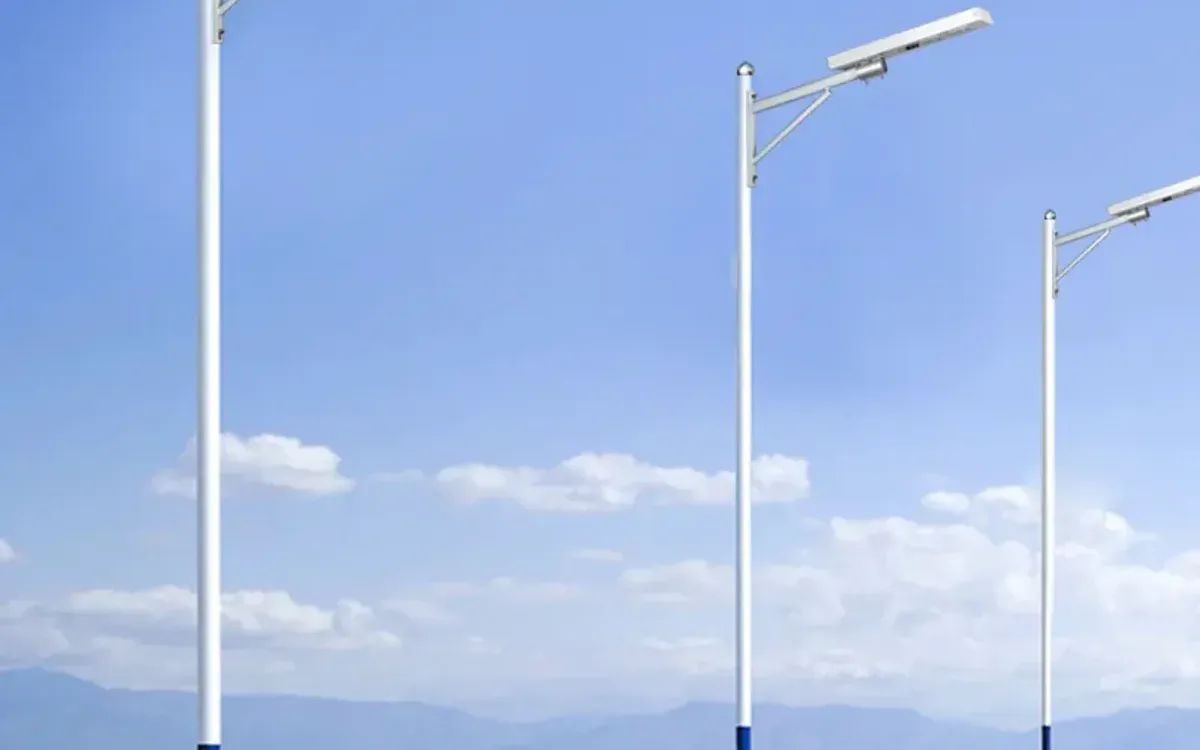
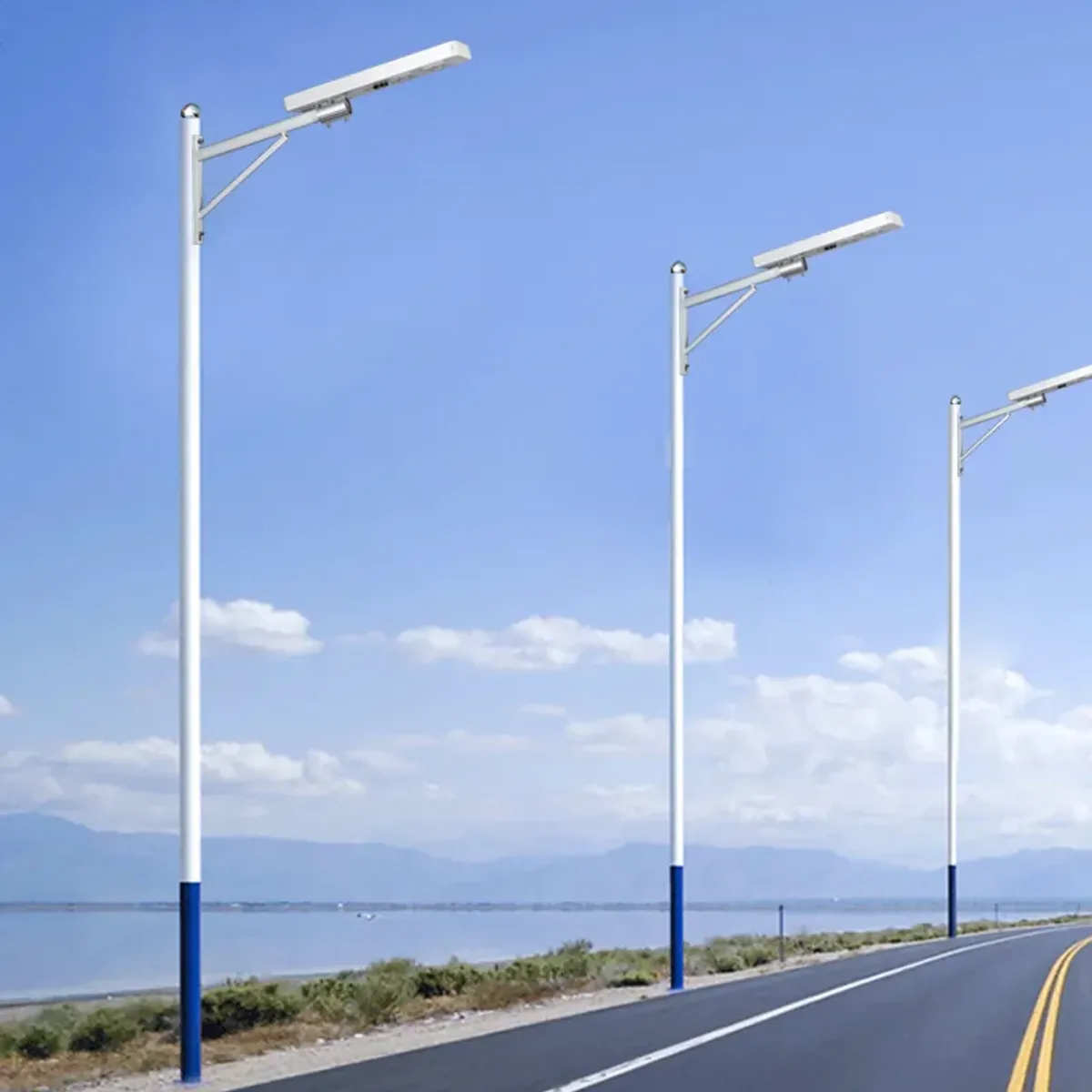
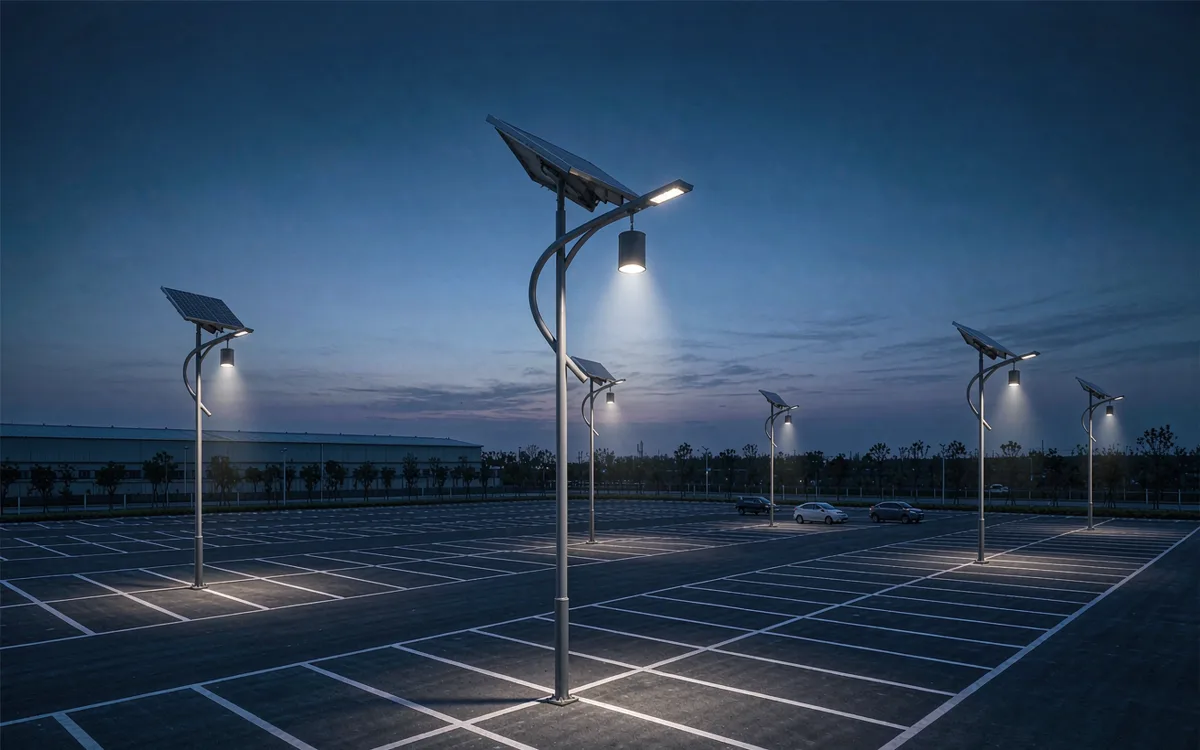
Low-pole layout — 4–6 m poles within the bay aisles. More fixtures, but each one is cheap to service, glare is easier to control, and the light is closer to where pedestrians actually are. This suits residential, campus and hospital car parks where visual comfort matters more than minimising pole count.
| Design variable | High-mast layout | Low-pole layout |
|---|---|---|
| Typical mounting height | 10–15 m | 4–6 m |
| Spacing rule of thumb | 2.5–3× mounting height | 3–4× mounting height |
| Fixtures per 2,400 m² (worked example) | 4 | 9–12 |
| Glare risk | Higher — shielded, asymmetric optics required | Lower — heads sit closer to the task |
| Foundation and erection cost per pole | Higher | Lower |
| Effect of one fixture failure | Large dark zone | Small dark zone |
| Best fit | Open retail lots, truck stops, depots | Residential, campus, pedestrian-heavy sites |
The practical sequence is: fix the bay layout and drive aisles, mark the pole positions that geometry permits (islands, perimeter strips, no conflict with turning circles), then choose the fixture that delivers the required illuminance at that spacing. Buyers who start by asking “what spacing does this 100 W light support?” are asking the question backwards — the same mistake we called out in our rural road planning guide.
What “enough light” means on a car park
Standards such as EN 13201 define lighting classes for traffic routes, and many municipal car park tenders specify their own illuminance targets. In practice, surface car parks are usually designed around 10–20 lux average for general parking and circulation, with higher levels at entrances, pay stations and pedestrian crossings. Two numbers matter as much as the average:
- Uniformity — the ratio of minimum to average illuminance. A car park can meet a 20 lux average and still feel unsafe if the corners sit at 2 lux. Overlapping light pools, not brighter single heads, are what raise the minimum.
- Glare control — for drivers reversing out of bays, a bright source in the mirror is worse than a slightly dimmer surface. Shielded, downward-asymmetric optics directed at the ground are worth more here than raw lumen output.
Colour temperature in the 4000–5000 K range is a common specification for car parks because it keeps vehicle colours and signage legible; warmer 3000 K is often preferred on hospitality and residential sites. Neither is a performance claim — both are choices about how the site should feel.
The worked example: a 2,400 m² surface lot
Take a 60 m × 40 m open car park, roughly 90 bays, operating dusk-to-dawn on a 12-hour night, with a 20 lux average target.
Step 1 — pole plan. A high-mast layout with 12 m masts at 3× height (36 m) spacing gives four perimeter/island positions. A low-pole layout at 6 m and 20 m spacing gives roughly nine to twelve positions. Note the trade: four foundations instead of ten, but four larger heads with tighter optical requirements.
Step 2 — nightly energy. Illuminance targets set the optical design; the battery is sized from electrical load. Assume a fixture with a 40 W LED engine run on a motion-sensing profile that holds the average nightly draw near 20 W (full output when a vehicle or pedestrian is present, dimmed otherwise):
20 W × 12 h = 240 Wh per night
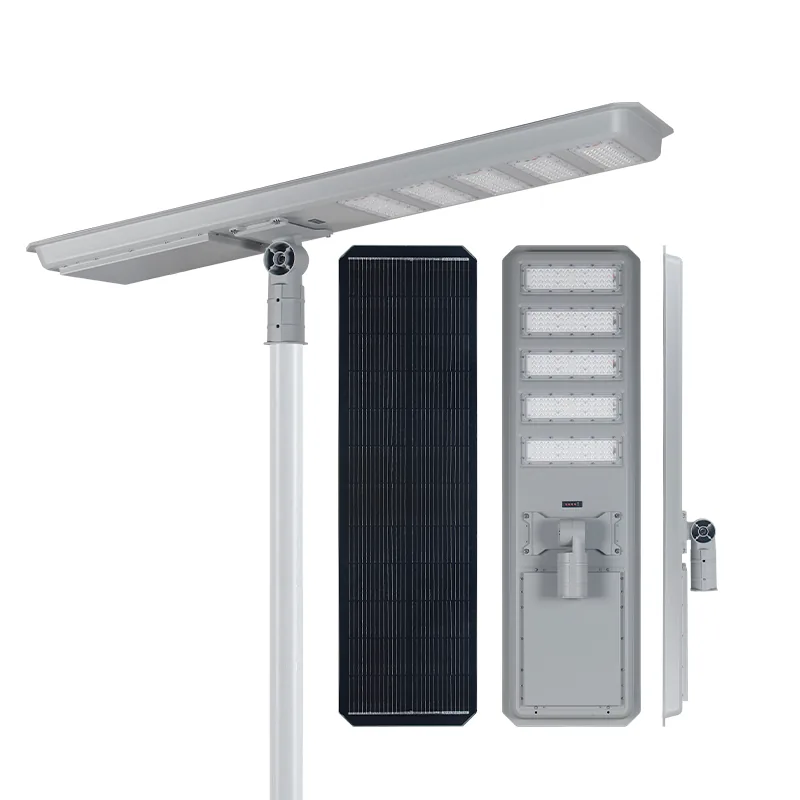
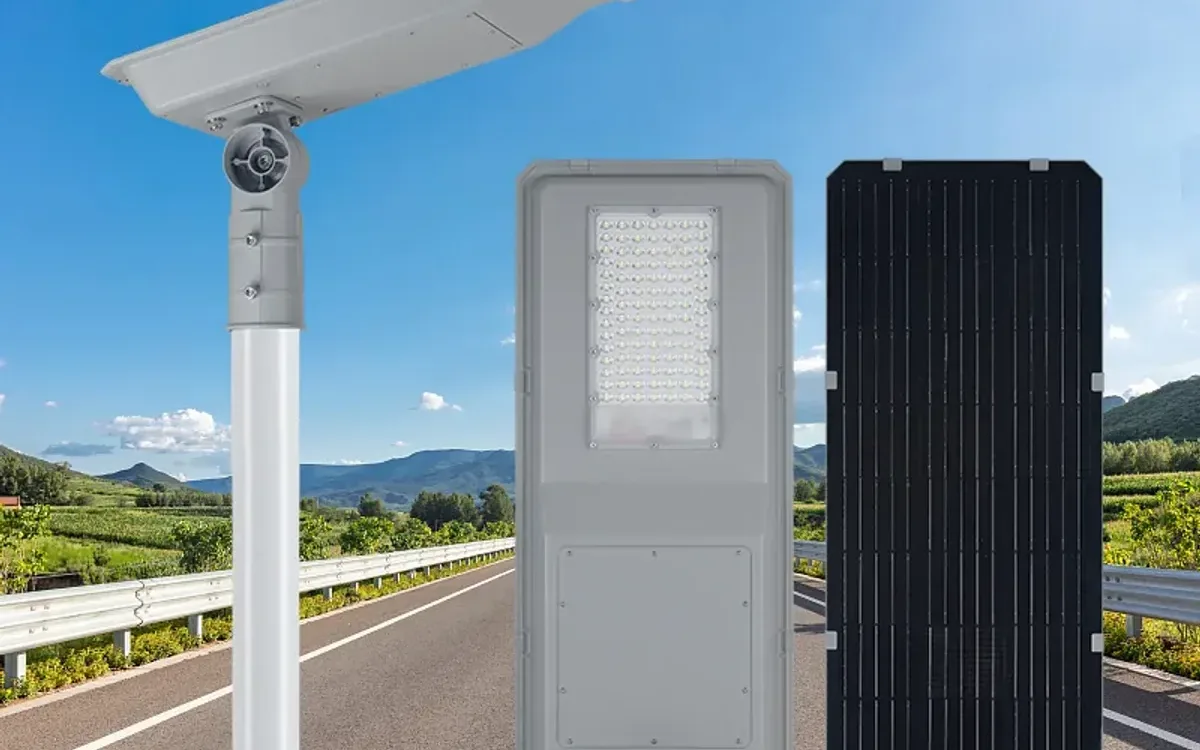
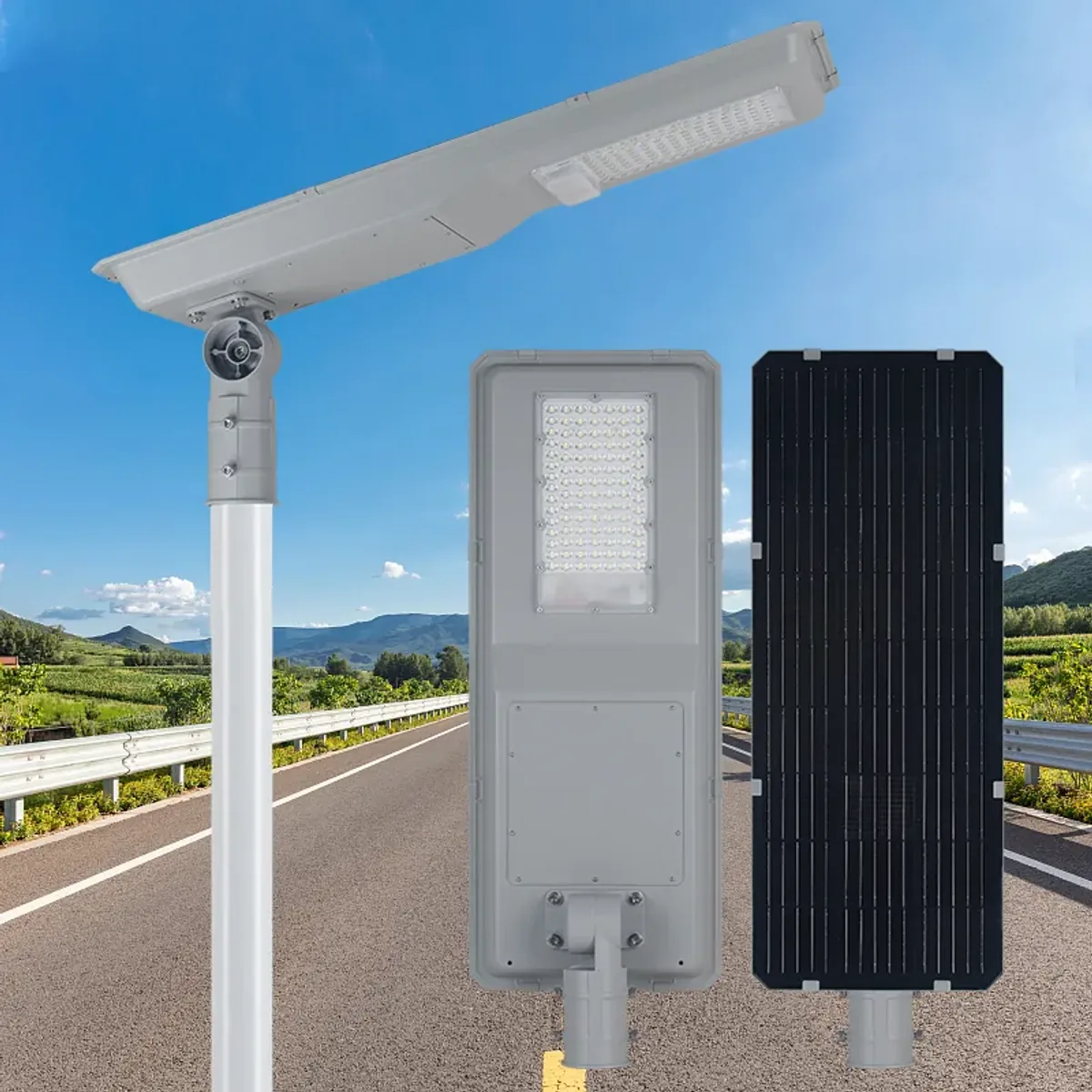
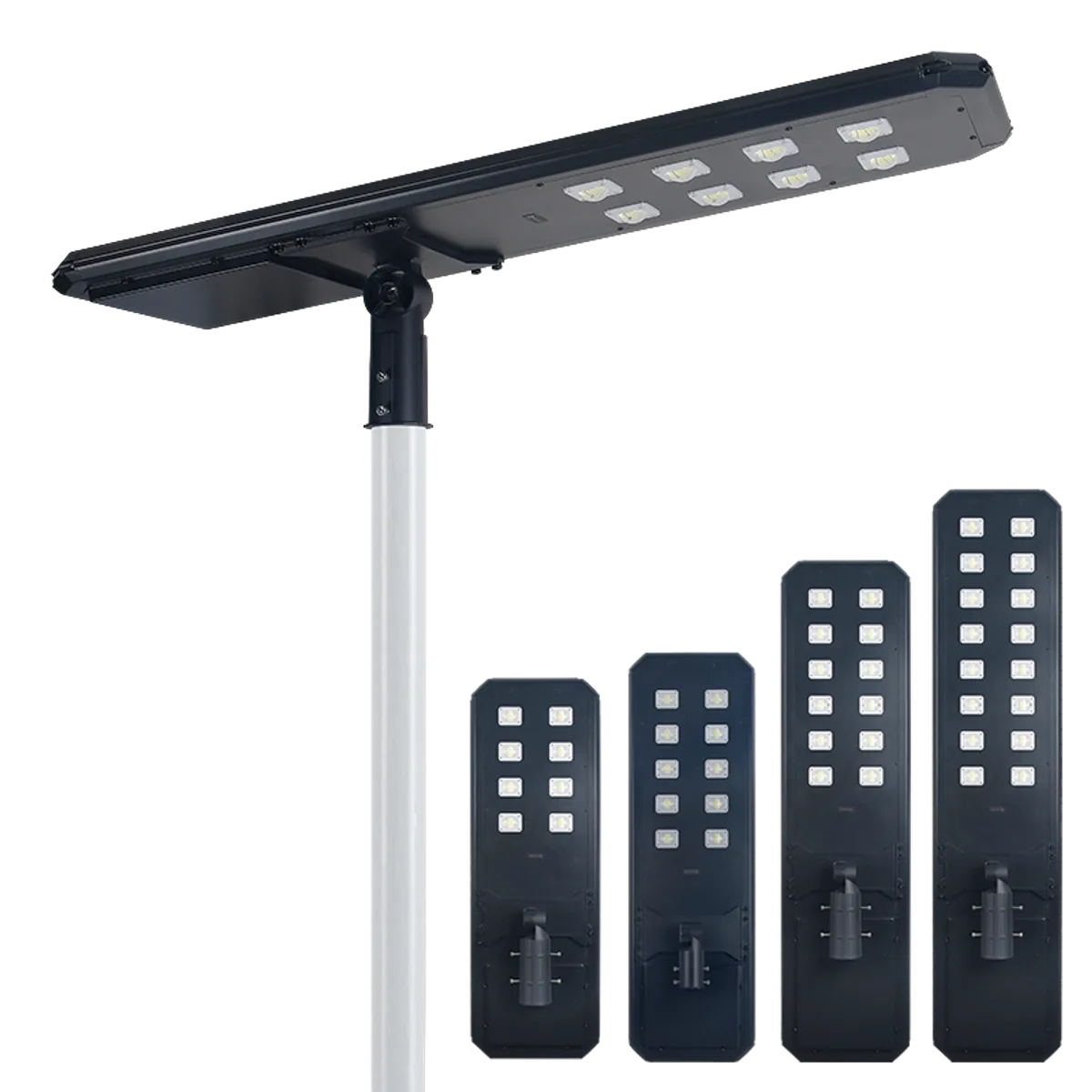
Step 3 — usable battery capacity. Take the TL41145 all-in-one, whose published specification is a 3.2 V / 120 Ah LiFePO4 pack:
3.2 V × 120 Ah = 384 Wh stored At 80% depth of discharge × 85% discharge efficiency: 384 × 0.8 × 0.85 ≈ 261 Wh usable
261 Wh usable against 240 Wh consumed clears one night — but only just, and only because the average draw is held near 20 W. Run the same head at its full 40 W for all 12 hours and the demand becomes 480 Wh, roughly double what the pack can deliver. The maximum sustainable average load for this pack on a 12-hour night is 261 ÷ 12 ≈ 21.8 W. That single number is the most useful thing to ask a supplier, because it converts a wattage claim into a testable constraint.
Our battery autonomy explainer covers the terminology in more depth, and the system sizing worksheet walks through the panel side of the same calculation.
Step 4 — panel recharge check. A panel in the 100–110 W class harvesting roughly 4 peak-sun-hours in a moderate climate yields about 400–440 Wh on an average day — enough to replace 240 Wh of nightly consumption plus charge losses and still have margin. The check that matters is the worst month, not the annual mean: size the panel-to-load ratio against the lowest peak-sun-hour figure for the site, or the system will look fine in June and fail in November.
Step 5 — how many cloudy nights, honestly. Autonomy days are simply usable capacity divided by nightly consumption. Using the same 0.8 × 0.85 derating and a 240 Wh/night load, here is what published packs actually deliver:
| Fixture / pack | Nominal energy | Usable (×0.68) | Nights at 240 Wh | Nights at 180 Wh |
|---|---|---|---|---|
| TR300-B — 3.2 V / 60 Ah | 192 Wh | 131 Wh | 0.5 | 0.7 |
| TL41145 — 3.2 V / 120 Ah | 384 Wh | 261 Wh | 1.1 | 1.5 |
| BY-3A split — 3.2 V / 300 Ah | 960 Wh | 653 Wh | 2.7 | 3.6 |
| ZR series — 25.6 V / 60 Ah | 1,536 Wh | 1,045 Wh | 4.4 | 5.8 |
This is where autonomy claims in project briefs need reading carefully. A 5–7 night reserve is achievable, but it requires both a large pack and a dimming profile that holds average nightly draw near 15 W (180 Wh/night). It is not a property of the fixture alone, and it is not a free upgrade. If a quotation claims multi-day autonomy without stating the nightly load and the derating assumptions, ask for the arithmetic — the same arithmetic as the table above.
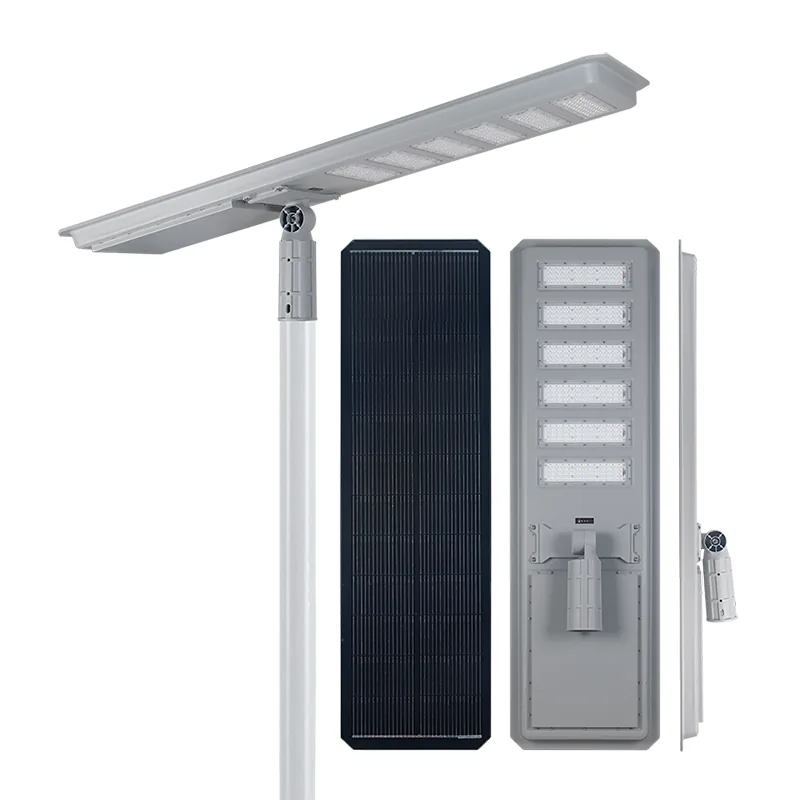
For sites that need sustained high output on tall masts, a split system puts the battery at the pole base where it can be sized up and serviced at ground level. The trade-off is an extra cable run, which is exactly where moisture-related faults first appear.
Where parking-lot projects actually fail
Three issues recur in our own pre-shipment and commissioning work, and none of them appear on a datasheet:
- Shading that the site plan does not show. A canopy edge, a sign board or a row of trees shading a panel for two afternoon hours costs far more than two hours of charge, because it clips the peak of the charging curve. Survey the actual pole positions at the site’s winter sun angle, not just on the drawing.
- Ingress protection treated as a paperwork item. We run water-ingress checks on our own test chamber rather than relying on a third-party mark; the practical failure we see is a cable gland or a battery-box seal that was never torqued correctly on site. Ask to see the current certificate register for what is independently certified, and treat on-site sealing as a separate installation checklist.
- No per-pole schedule. Mixed high-mast and low-pole layouts ship with different variants on the same pallet. A simple spreadsheet mapping each pole ID to its fixture variant, panel tilt and dimming profile prevents the wrong head going up at the wrong position — and gives the maintenance contractor something to work from three years later.
One more, specific to car parks: flat panel tilt. Panels set flat because “it looks tidy” collect dust and leaf litter; a 10–15° tilt sheds most debris and costs almost nothing in yield at typical latitudes.
When solar is not the right answer
Solar is not automatically the cheapest answer for every car park, and saying so saves both sides a failed installation:
- Covered or multi-storey decks have no direct sun on the fixture. Mains-powered canopy and flood fixtures are the correct choice there; a hybrid design — solar over the open surface lot, mains-tied under the deck — is common on large sites.
- Very high-latitude sites with long winter nights may need a panel and pack so large that mains-tied lighting wins on whole-life cost. Run the worst-month calculation before committing.
- Sites with an existing nearby switchboard often find trenching cheap enough that the solar premium is not justified, especially where uniformity requirements force many low poles anyway.
Our full product range covers both solar and mains-powered fixtures, so the recommendation is not forced by what we happen to stock.
Frequently asked questions
How many solar lights do I need for a 2,400 m² car park? For a high-mast layout at 10–15 m mounting height, typically 4–6 masts; for a low-pole layout at 4–6 m, typically 9–12 poles. The controlling variable is the spacing-to-height ratio and the uniformity target, not the area alone — overlapping pools are what remove dark squares between bays.
What wattage should I specify for a parking lot? Wattage follows from the mounting height and the illuminance target, not the other way round. For 10–12 m masts, road-class all-in-one fixtures in the 60–120 W LED class are typical; for 4–6 m poles, 30–60 W is usually sufficient. Always check the resulting average load against the battery’s sustainable nightly draw — the calculation in Step 3 above.
Can a solar car park light really run 5–7 nights of autonomy? Only with a large pack and a low average nightly load. At 240 Wh per night, a 1,536 Wh nominal pack delivers about 4.4 nights; dropping the average draw to 180 Wh per night takes the same pack to about 5.8 nights. Any autonomy figure without a stated nightly load is not verifiable.
Do solar parking lot lights need trenching? No cable runs between fixtures are required, which is the main cost advantage on open surface lots. Foundations and pole erection are still needed, and any mains-tied fixtures in covered areas will need their own supply.
Next step
If you have a site plan — or just the dimensions, bay count, location and required operating hours — our engineering team can return a pole schedule, fixture recommendation and the battery maths shown against your site’s worst-month sun data, rather than an annual average. Browse the parking lot application page for the fixture families we group under this use case, or send your project details for a quotation.
Engineering and procurement team at Zhongshan Xiuben Lighting. We design, manufacture, and ship solar street lights, flood lights, and garden lights from our 12,000m² factory to 50+ countries.